
Review common IoT security mistakes involving account access, default settings, firmware, network exposure, and device lifecycle so you can prioritize practical protections without assuming any single setting makes a home network perfectly secure.

Review common IoT security mistakes involving account access, default settings, firmware, network exposure, and device lifecycle so you can prioritize practical protections without assuming any single setting makes a home network perfectly secure.
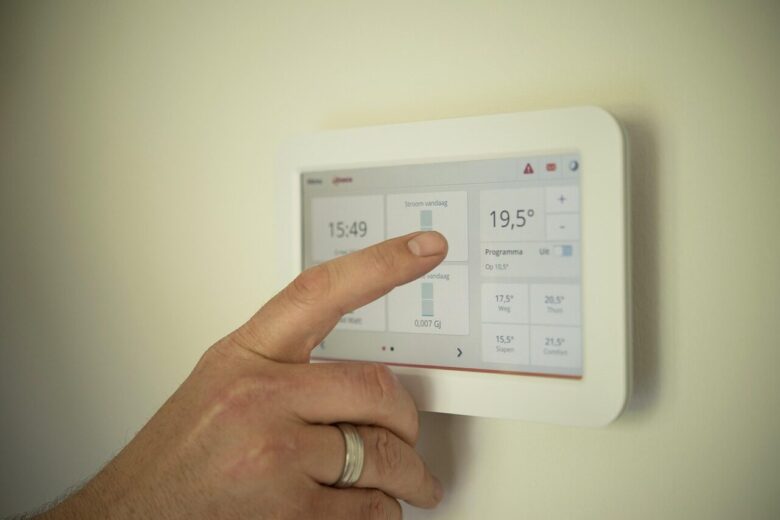
Compare smart hubs and direct Wi-Fi devices by setup effort, local control, network dependency, compatibility, automation needs, and future expansion before choosing the approach that fits your household.
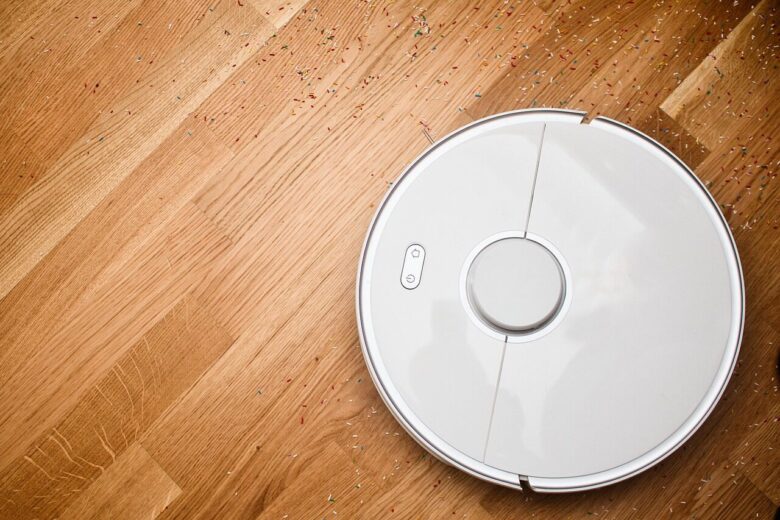
Compare IoT devices by what they measure or automate, then choose the next device from a specific source of waste or inconvenience you have actually observed at home.
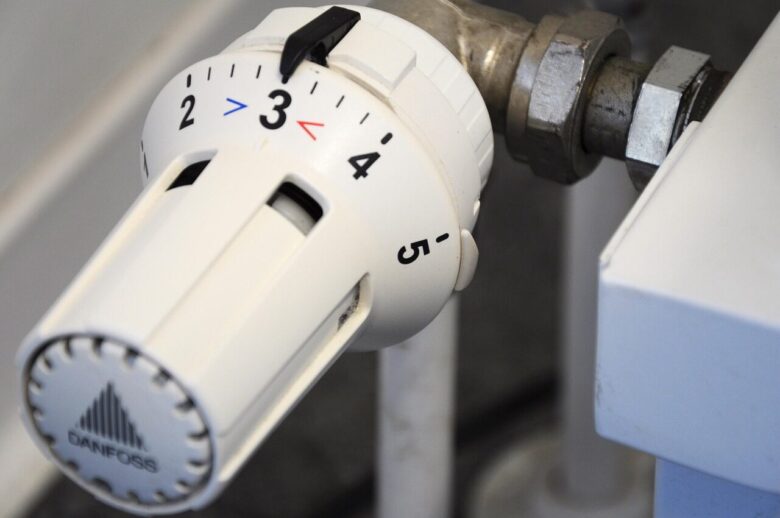
Build a thermostat schedule from your household’s comfortable baseline, then make small changes and review runtime and comfort instead of relying on one universal temperature target.
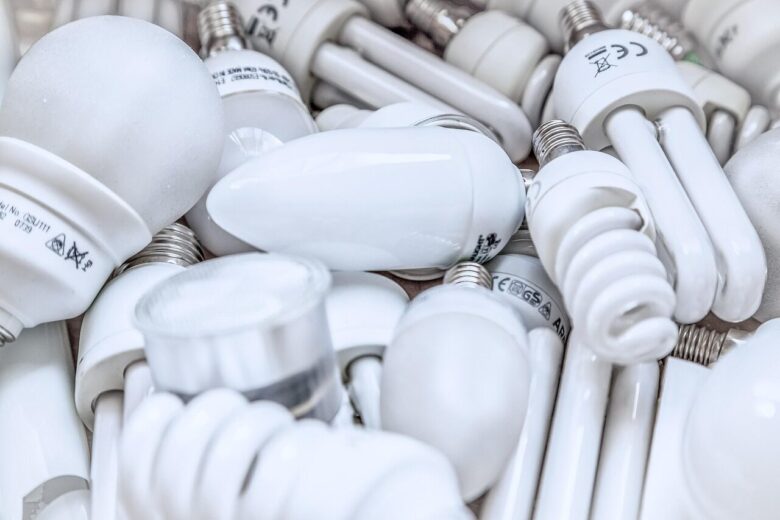
Use smart plugs as an appliance-audit and scheduling tool for compatible loads. Measure first, automate predictable use, and avoid remote switching where manufacturer guidance or restart behavior makes it unsuitable.

Explore apartment-friendly smart-home automations for lighting, plugs, sensors, routines, and compact spaces, with attention to renter constraints, compatibility, privacy, and setups that do not require unnecessary rewiring.

Plan a shared smart-home system by checking platform compatibility, local and cloud dependencies, device permissions, automations, and what should happen when one component or internet access becomes unavailable.
Learn when a separate guest or IoT network can reduce direct device access, what smart-home features segmentation may affect, and how to test changes without assuming one network design fits every router.
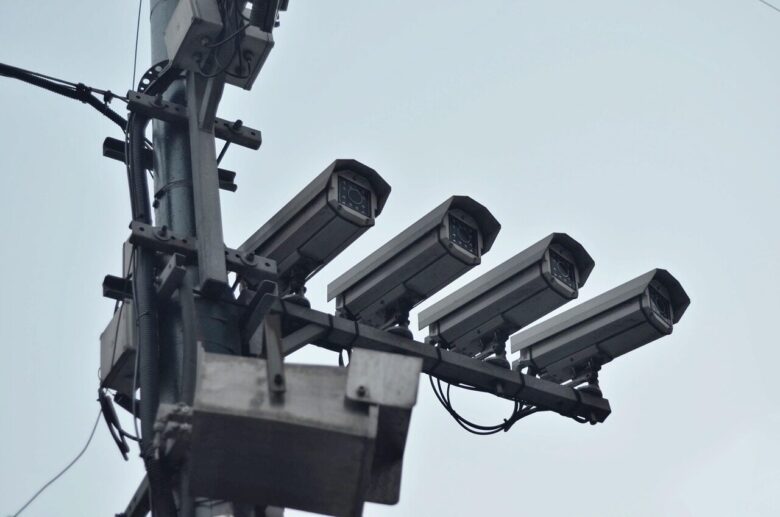
Review smart-camera privacy across account security, permissions, recording settings, retention, sharing, placement, remote access, and device removal so you can reduce unnecessary exposure without relying on one privacy setting.
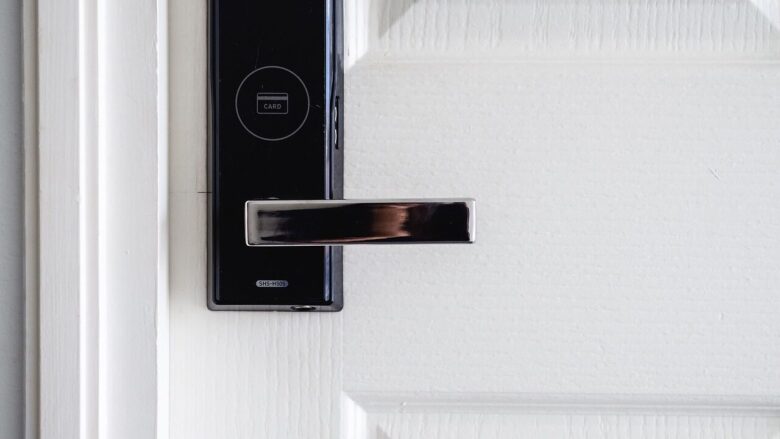
Set up a first smart-home system one device at a time by choosing a clear use case, checking compatibility, securing the account, testing basic controls, and documenting what depends on the internet or a hub.