
IoT devices can schedule lighting, adjust thermostats, trigger cleaning robots, and monitor security, turning routine home tasks into efficient, automated workflows.
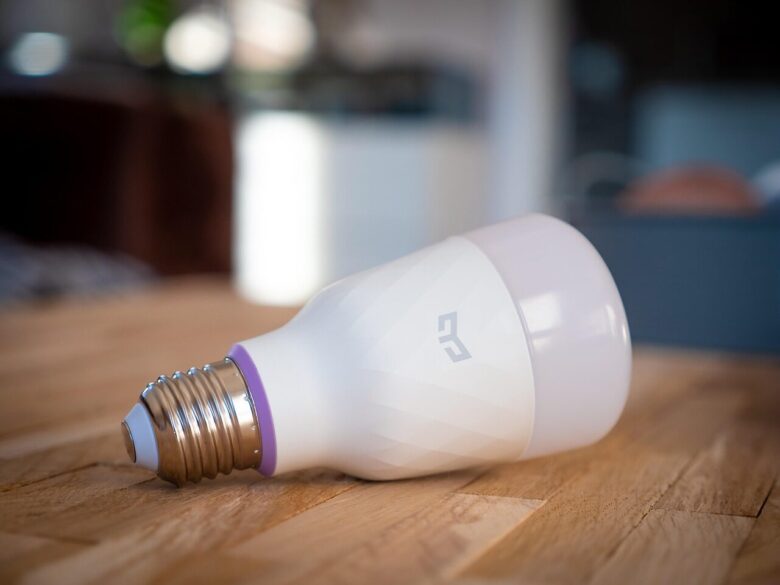
IoT devices can schedule lighting, adjust thermostats, trigger cleaning robots, and monitor security, turning routine home tasks into efficient, automated workflows.
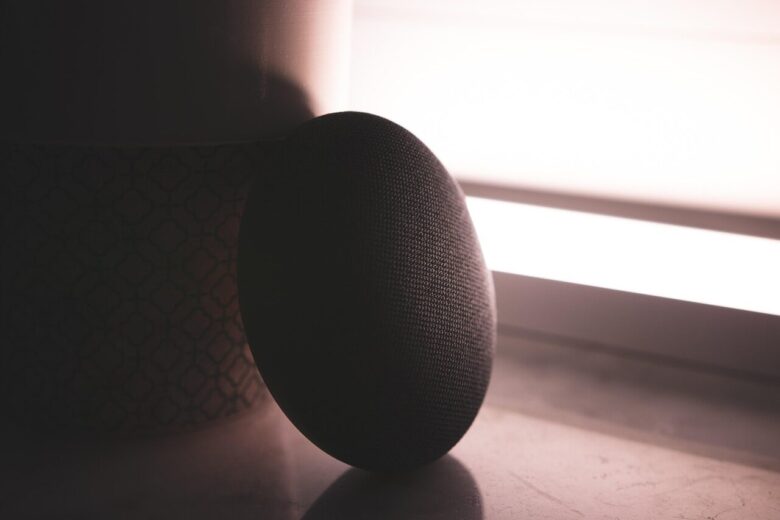
Start with an energy audit, then add smart thermostats, efficient lighting, sensors, and solar-ready controls to cut waste and automate comfort room by room.
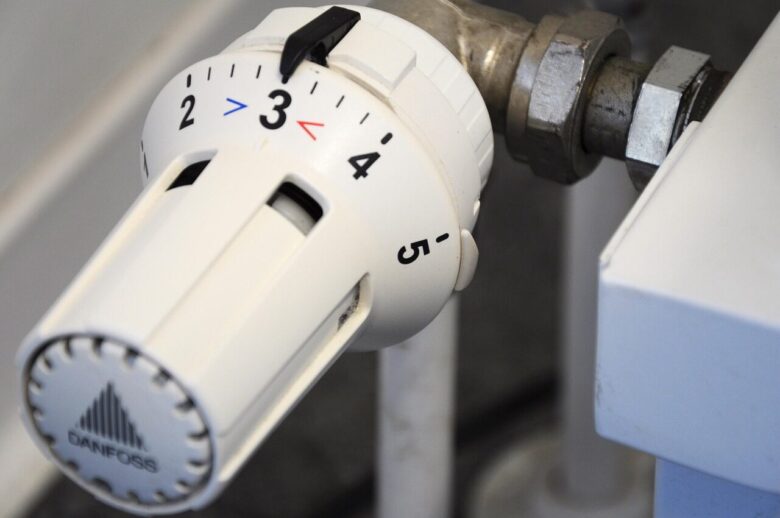
Build a thermostat schedule from your household’s comfortable baseline, then make small changes and review runtime and comfort instead of relying on one universal temperature target.
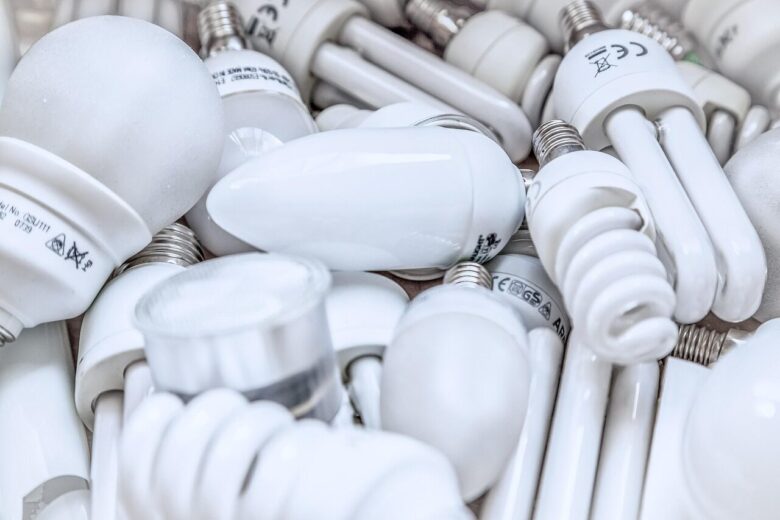
Use smart plugs as an appliance-audit and scheduling tool for compatible loads. Measure first, automate predictable use, and avoid remote switching where manufacturer guidance or restart behavior makes it unsuitable.

Plan a shared smart-home system by checking platform compatibility, local and cloud dependencies, device permissions, automations, and what should happen when one component or internet access becomes unavailable.

Set up a first smart-home system one device at a time by choosing a clear use case, checking compatibility, securing the account, testing basic controls, and documenting what depends on the internet or a hub.