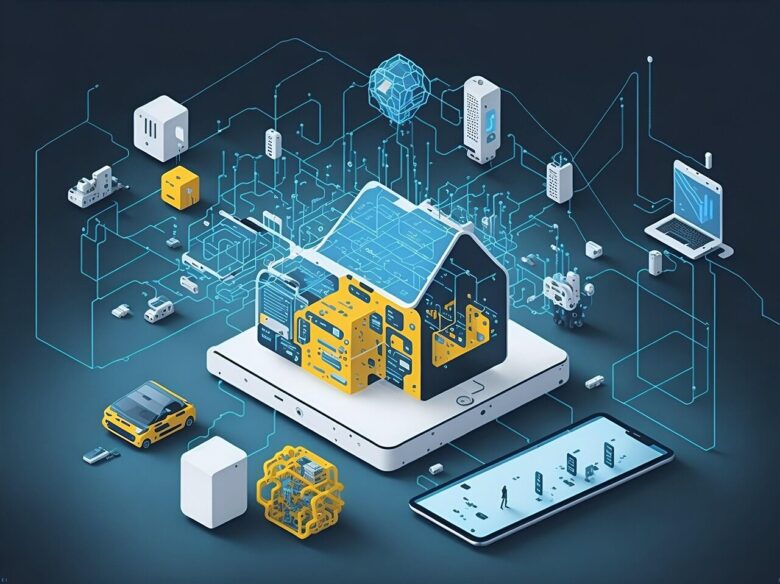
Smart home devices that stop working when the internet goes down can quickly turn a convenient house into a confusing one. A light that worked yesterday may stop responding in the app, a camera may lose remote access, or a voice assistant may suddenly become almost useless. The tricky part is that not every smart …
Setting up VLANs for IoT devices is one of the most practical ways to make a home network safer without replacing every smart device you own. Smart cameras, plugs, speakers, TVs, thermostats, and appliances often stay connected all day, but many of them do not receive updates as often as phones or computers. A VLAN, …
Review smart-home privacy by separating account security, app permissions, cloud data, and network exposure. This framework helps identify the controls that matter for each device.
Use a router baseline that documents each change, its security purpose, its compatibility trade-offs, and a verification step before moving to the next setting.
Review common IoT security mistakes involving account access, default settings, firmware, network exposure, and device lifecycle so you can prioritize practical protections without assuming any single setting makes a home network perfectly secure.
Explore apartment-friendly smart-home automations for lighting, plugs, sensors, routines, and compact spaces, with attention to renter constraints, compatibility, privacy, and setups that do not require unnecessary rewiring.
Review smart-camera privacy across account security, permissions, recording settings, retention, sharing, placement, remote access, and device removal so you can reduce unnecessary exposure without relying on one privacy setting.