
Separate app, bulb, firmware, and automation problems from electrical warning signs. Try only low-risk checks and stop troubleshooting when heat, sparking, burning smells, or breaker problems appear.

Separate app, bulb, firmware, and automation problems from electrical warning signs. Try only low-risk checks and stop troubleshooting when heat, sparking, burning smells, or breaker problems appear.

The Matter protocol was created to make smart home devices work across different ecosystems with less confusion. In simple terms, it is a smart home standard that helps certified devices communicate with platforms such as Apple Home, Google Home, Amazon Alexa, Samsung SmartThings and other Matter-compatible systems. The promise is attractive: buy one certified device, …
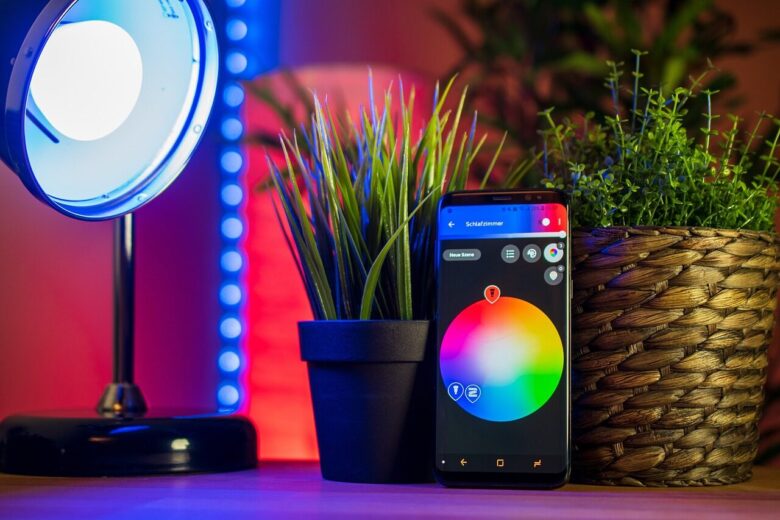
A local-only smart home is built to keep daily automations, device control, and most household data inside your own network instead of depending on remote cloud servers. For many people, the goal is simple: lights should still turn on, sensors should still react, and routines should still work even if the internet is down. This …

Choose your first smart-home devices by the problem you want to solve, the ecosystem you already use, and how much setup complexity you are willing to manage.
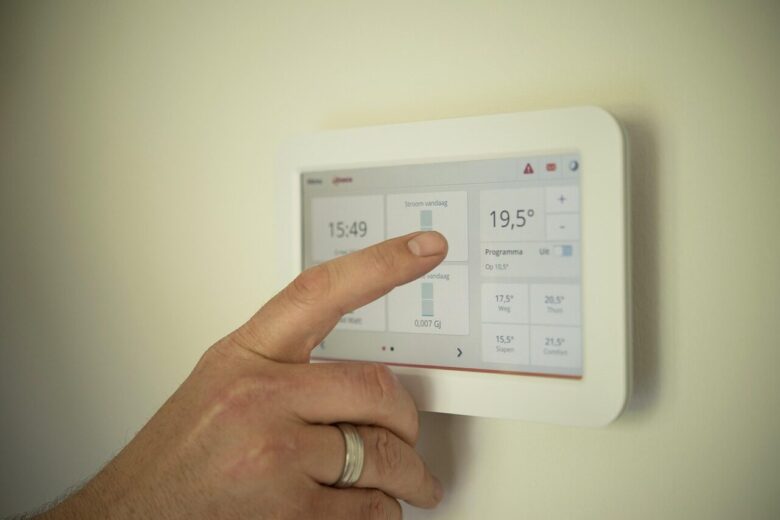
Compare smart hubs and direct Wi-Fi devices by setup effort, local control, network dependency, compatibility, automation needs, and future expansion before choosing the approach that fits your household.
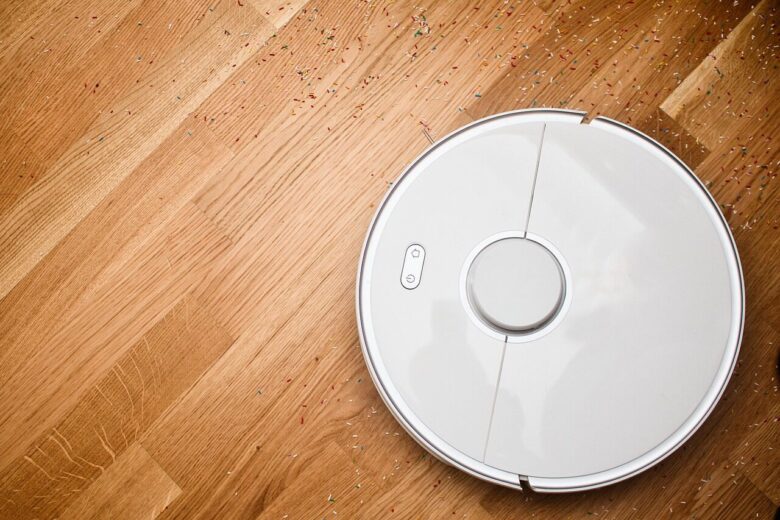
Compare IoT devices by what they measure or automate, then choose the next device from a specific source of waste or inconvenience you have actually observed at home.
Learn when a separate guest or IoT network can reduce direct device access, what smart-home features segmentation may affect, and how to test changes without assuming one network design fits every router.