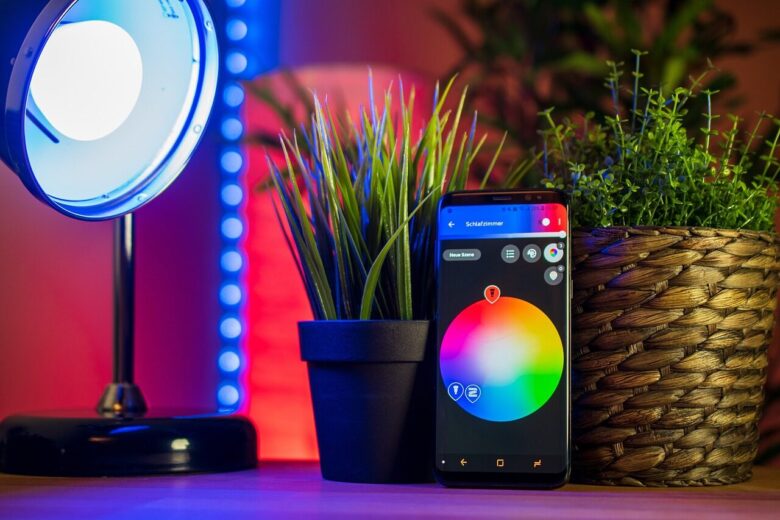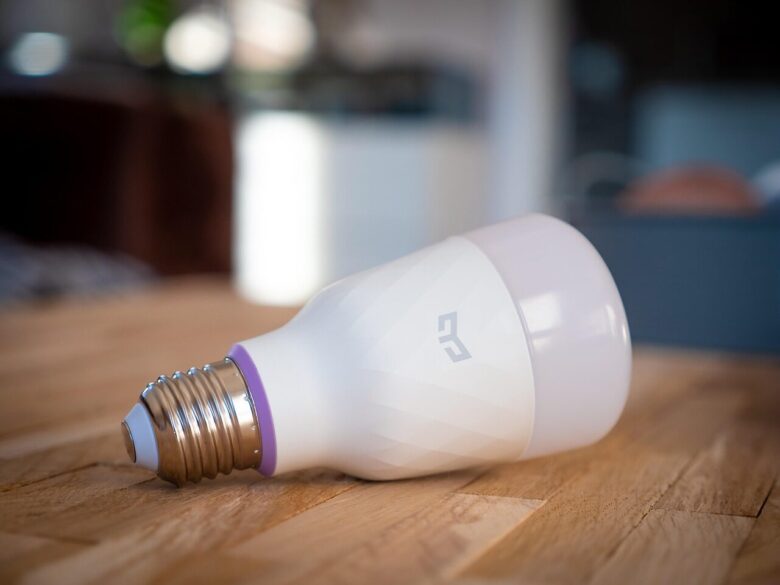
Smart home devices that stop working when the internet goes down can quickly turn a convenient house into a confusing one. A light that worked yesterday may stop responding in the app, a camera may lose remote access, or a voice assistant may suddenly become almost useless. The tricky part is that not every smart …

Connected Home Editorial Team
The Connected Home Shield Editorial Team publishes practical, beginner-friendly content about smart home devices, home network security, IoT setup, automation, energy efficiency, privacy, and connected-home troubleshooting. Our guides are prepared for general educational purposes, with a focus on clear instructions, safer configurations, realistic expectations, and accessible information for users with different levels of technical experience.
Setting up VLANs for IoT devices is one of the most practical ways to make a home network safer without replacing every smart device you own. Smart cameras, plugs, speakers, TVs, thermostats, and appliances often stay connected all day, but many of them do not receive updates as often as phones or computers. A VLAN, …
Separate app, bulb, firmware, and automation problems from electrical warning signs. Try only low-risk checks and stop troubleshooting when heat, sparking, burning smells, or breaker problems appear.
The Matter protocol was created to make smart home devices work across different ecosystems with less confusion. In simple terms, it is a smart home standard that helps certified devices communicate with platforms such as Apple Home, Google Home, Amazon Alexa, Samsung SmartThings and other Matter-compatible systems. The promise is attractive: buy one certified device, …
A local-only smart home is built to keep daily automations, device control, and most household data inside your own network instead of depending on remote cloud servers. For many people, the goal is simple: lights should still turn on, sensors should still react, and routines should still work even if the internet is down. This …
Choose your first smart-home devices by the problem you want to solve, the ecosystem you already use, and how much setup complexity you are willing to manage.
IoT devices can schedule lighting, adjust thermostats, trigger cleaning robots, and monitor security, turning routine home tasks into efficient, automated workflows.
Review smart-home privacy by separating account security, app permissions, cloud data, and network exposure. This framework helps identify the controls that matter for each device.
Use a router baseline that documents each change, its security purpose, its compatibility trade-offs, and a verification step before moving to the next setting.
Start with an energy audit, then add smart thermostats, efficient lighting, sensors, and solar-ready controls to cut waste and automate comfort room by room.