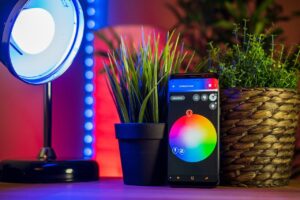
“Efficiency” can mean using less electricity, spotting water use, reducing unnecessary HVAC runtime, turning lights off automatically, or simply making waste easier to notice. A connected device is most useful when it targets a specific problem you can identify.
Define What “More Efficient” Means in Your Home
Start with evidence you already have. Look for lights that are regularly left on, heating or cooling that runs while rooms are empty, devices that stay powered without a clear reason, or places where you want earlier awareness of a leak or unusual condition.
IoT Efficiency Use-Case Matrix
| Use case | Device category | What it can provide | Limitation to remember |
|---|---|---|---|
| Lighting left on | Smart lighting / occupancy automation | Schedules, scenes, presence-based control | Automation must match real occupancy |
| Unclear appliance usage | Energy-monitoring plug/device | Usage observations for compatible loads | Measurement quality and load limits vary |
| HVAC scheduling | Smart thermostat | Schedules, remote control, runtime reports | Savings are not guaranteed and HVAC compatibility matters |
| Water/leak awareness | Leak/moisture sensor | Earlier notification when a sensor detects moisture and alerts work correctly | It does not physically prevent every leak or damage |
| Repeated device routines | Automation hub/platform | Coordinated schedules and triggers | More complexity and dependencies |
Devices That Measure Before They Automate
Measurement can be more valuable than automation when you do not yet know what is being wasted. An energy-monitoring device, thermostat report, or water-monitoring system may help identify a pattern before you decide what should be automated.
Automation That Removes Repetitive Waste
Automation works best for repeated, predictable actions: turning lights off after a defined condition, changing a thermostat schedule around real occupancy, or shutting down a compatible low-risk device when it is not needed.
Where Smart Devices Add Convenience but Not Guaranteed Savings
Remote control, voice control, notifications, and dashboards can be useful even when they do not materially change consumption. That is still legitimate value; it is better to describe it as convenience or visibility than to promise lower bills.
Leak sensors can help surface a moisture event earlier when they are placed correctly, functioning, connected, and able to deliver an alert. They do not prevent all leaks or guarantee that damage will be avoided.
Choose the Next Device From Evidence in Your Own Home
- Identify one repeated source of waste or inconvenience.
- Decide whether you need measurement, automation, or notification.
- Check compatibility with your existing ecosystem.
- Review subscription and cloud dependencies.
- Verify installation requirements.
- After installation, compare the outcome with your original goal.
Practical Takeaway
Efficiency comes from matching a device to a real problem and then acting on what it measures or automates. Adding more connected devices does not automatically make a home more efficient.
References and Related Resources
These links were already part of the original article and are preserved for context.
- ENERGY STAR — Smart Thermostats
- Federal Trade Commission — Securing Your Internet-Connected Devices at Home
- Federal Trade Commission — How To Secure Your Home Wi-Fi Network
The Connected Home Shield Editorial Team publishes practical, beginner-friendly content about smart home devices, home network security, IoT setup, automation, energy efficiency, privacy, and connected-home troubleshooting. Our guides are prepared for general educational purposes, with a focus on clear instructions, safer configurations, realistic expectations, and accessible information for users with different levels of technical experience.