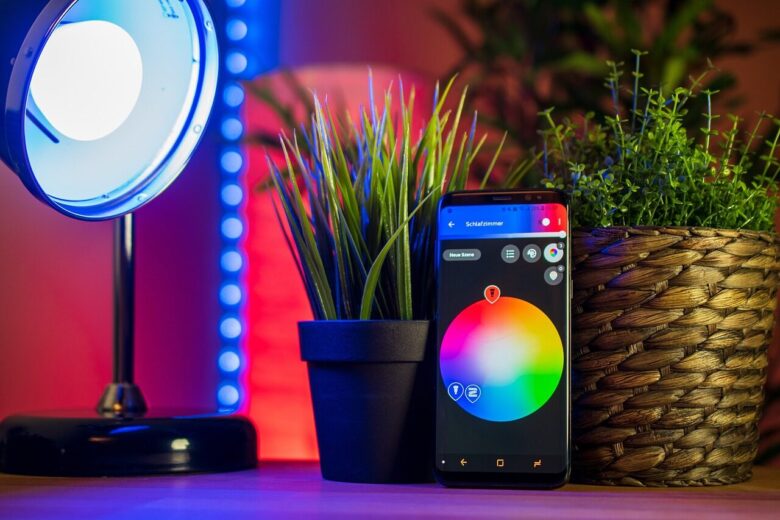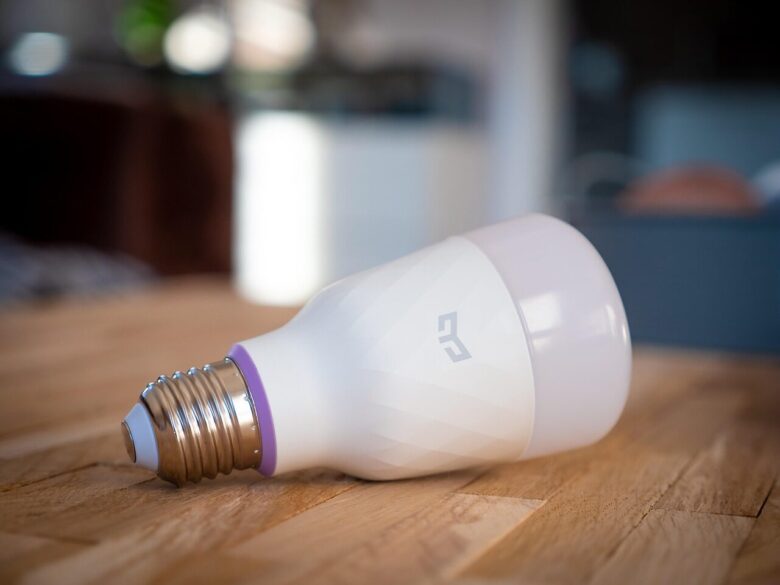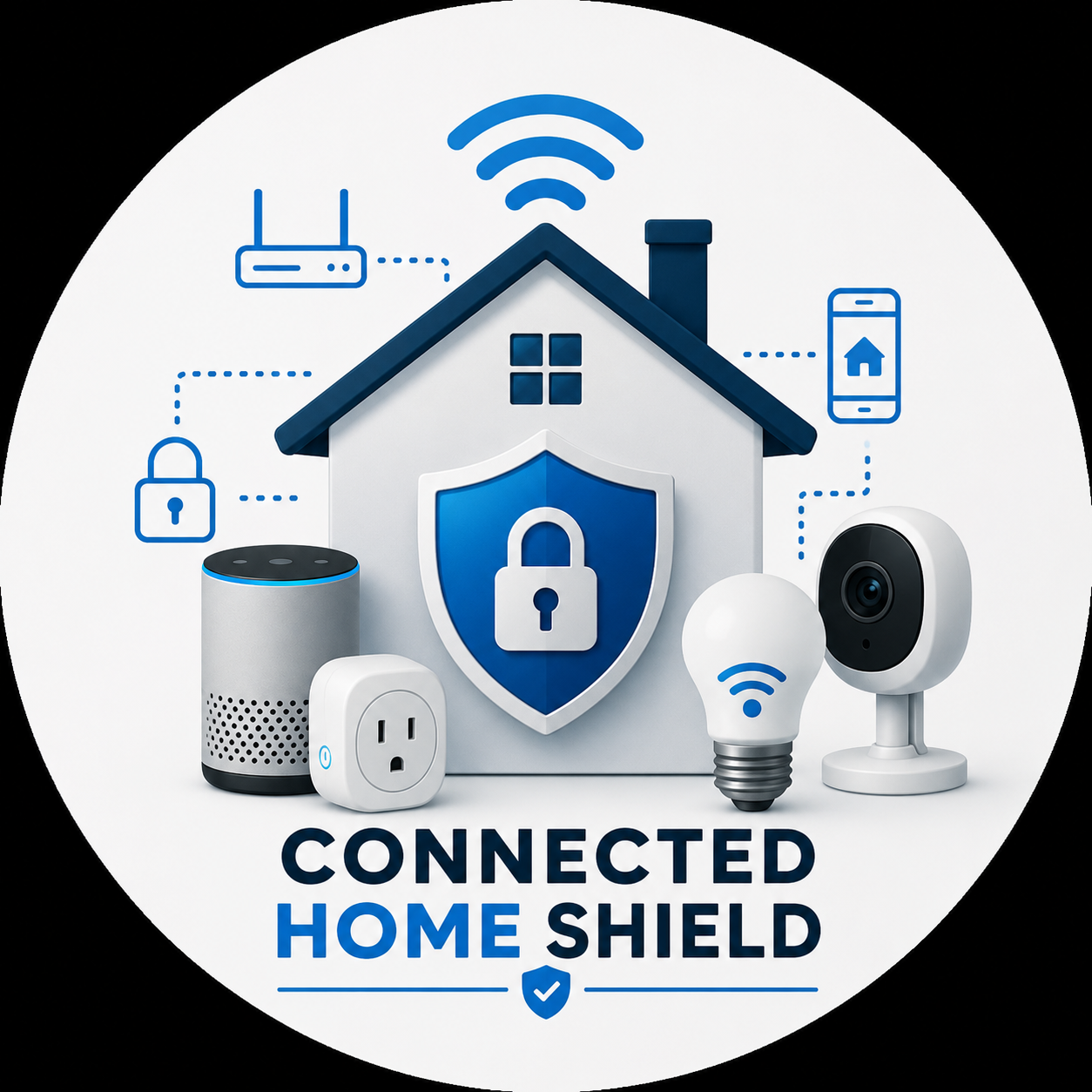
Start with a smart speaker, bulbs, and plugs. They’re affordable, simple to install, and build a reliable foundation for routines, voice control, and energy savings.
IoT devices can schedule lighting, adjust thermostats, trigger cleaning robots, and monitor security, turning routine home tasks into efficient, automated workflows.
Secure smart home devices by changing default passwords, enabling updates, using a separate Wi‑Fi network, and reviewing app permissions to limit data exposure.
Secure IoT devices by placing them on a guest network, disabling WPS and UPnP, enforcing WPA3 or WPA2-AES, and applying router firmware updates promptly.
Start with an energy audit, then add smart thermostats, efficient lighting, sensors, and solar-ready controls to cut waste and automate comfort room by room.
Weak passwords, ignored firmware updates, and unsecured default settings let IoT devices become easy entry points, exposing your home network to spying and data theft.
Smart hubs centralize control, improve reliability, and support automations; Wi-Fi devices are simpler to install but may strain networks as homes scale.
Smart thermostats, plugs, leak sensors, and energy monitors automate comfort, reduce standby waste, prevent damage, and reveal where your home uses the most power.
Set your smart thermostat to 68°F in winter and 78°F in summer when home; schedule deeper setbacks while away or asleep to cut energy use without sacrificing comfort.
Smart plugs cut standby waste by scheduling devices off, tracking energy use, and enabling remote control-helping households lower bills without changing daily routines.